Posted on 8/28/2026
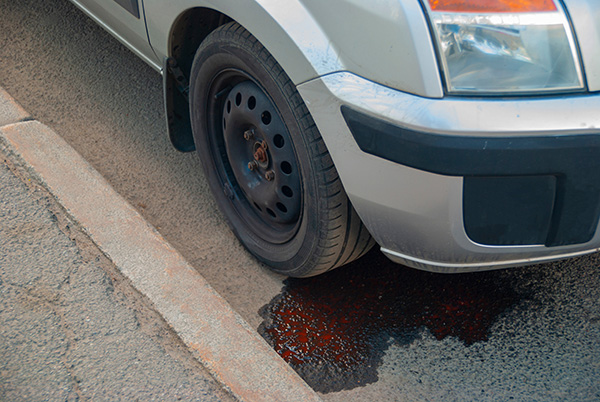
Power steering fluid under the front of the car can be hard to trace because the leak doesn't always drip straight down from the failed part. Fluid can run along the steering rack, subframe, hoses, or splash shields before it finally reaches the ground. A leaking steering rack is one possible source, especially on hydraulic power steering systems with some age and mileage on them. The important part is finding where the fluid actually starts. A wet rack does not always mean the rack itself is bad. Internal Rack Seals Can Start Leaking A hydraulic steering rack has seals that keep pressurized power steering fluid inside the housing while the rack moves back and forth. Those seals deal with heat, pressure, and thousands of steering cycles over the life of the vehicle. As they harden or wear, fluid can begin seeping past them. At first, you might only see a damp area around one end of the rack. Later, the reservoir may need frequent top-offs or fluid may begin dri ... read more
Posted on 7/31/2026
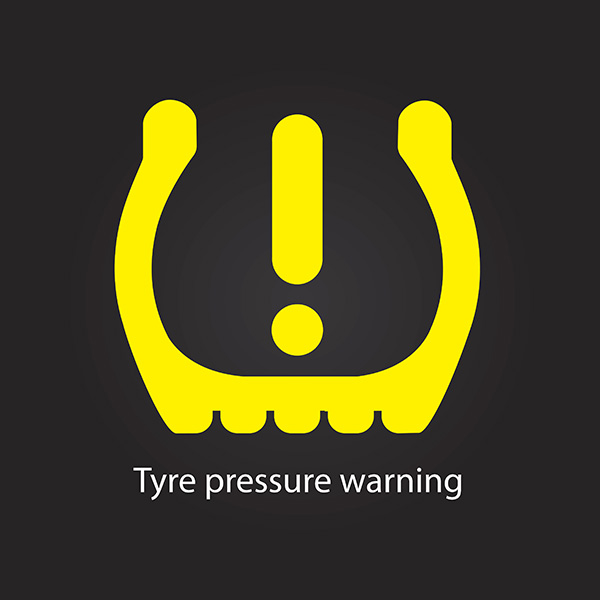
Every driver has a slightly different relationship with their dashboard. Some people treat warning lights like an absolute emergency, pulling over immediately, while others ignore them for weeks. But there is one specific light that tends to cause an awful lot of head-scratching. It looks like a little yellow horseshoe with ridges on the bottom and an exclamation point right in the middle. If you are staring at this symbol right now, you aren't alone. That is your TPMS light. At our shop, we see this light glowing on dozens of dashboards every single week. It is one of the most active warning systems in a modern vehicle. While it is designed to keep you safe, it can sometimes feel a bit like the boy who cried wolf, popping on during a cold morning only to disappear later in the day. Let us look at what your TPMS system actually does, why it illuminates, and how to handle it when it catches your eye. What Exactly Is TPMS? To understand the light, it helps to kno ... read more
Posted on 6/26/2026

Summer driving can be uncomfortable for anyone, but it can be especially hard on pets. At our shop, we spend a lot of time helping drivers get their vehicles ready for warm-weather travel, and one thing we always like to remind people is that a car that feels “a little warm” to you may feel much worse to the dog or cat riding in the back. That matters because pets do not cool themselves the way people do. They cannot turn the vents toward themselves, tell you the back seat feels stuffy, or explain that the sun beating through the side window is making them miserable. By the time a pet looks obviously uncomfortable, the interior may already be much hotter and more stressful than the driver realized. If you travel with your pet during the summer, it helps to think beyond just whether the car has air conditioning. Cabin airflow, seating position, traffic conditions, and even how packed the vehicle is all affect how hot the backseat feels. Pets Feel Heat Differently ... read more
Posted on 5/29/2026
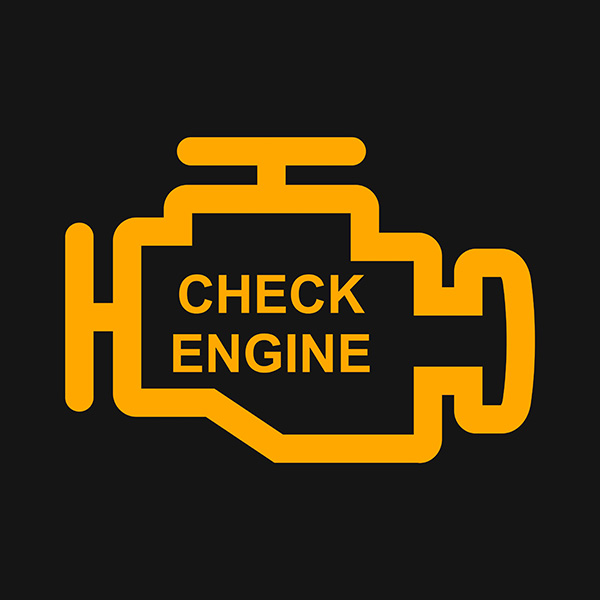
A check engine light has terrible timing. It comes on during a commute, after a fill-up, or right before a weekend plan, and the car does not always act any differently. That is what makes it hard to judge. The light is not a repair by itself. It means the vehicle’s computer saw something outside its normal range and stored information about it. Sometimes the cause is simple. Sometimes it is the first clue that an engine, fuel, ignition, or emissions problem needs attention before it gets more expensive. 1. Loose Or Faulty Gas Cap A loose gas cap sounds almost too simple, but it can turn on the check engine light. The fuel system is sealed, and the vehicle runs self-tests to check for vapor leaks. If the cap is loose, cracked, missing, or not sealing well, the system can detect a leak. This often happens shortly after fueling. Tightening the cap may help, but the light may not turn off right away. The vehicle needs time to run its test again. If the light s ... read more
Posted on 4/30/2026
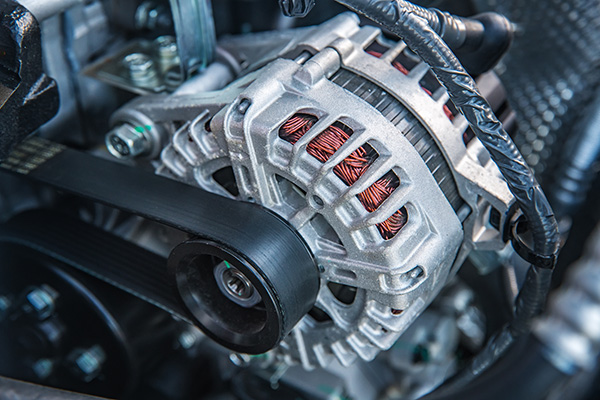
Alternator problems do not always show up in obvious ways at first. The car may start and run normally, which makes it easy to overlook early warning signs. Over time, though, small electrical issues begin to stack up, and they tend to point back to the same source. Since the alternator keeps your battery charged and powers key systems while driving, a failure here can affect much more than just starting the car. Dimming or Flickering Lights One of the earliest signs is inconsistent lighting. Headlights may appear dimmer than usual, especially at idle, or flicker when using other electrical features, such as the A/C or radio. Interior lights can behave similarly. These changes usually indicate that the alternator is not providing a steady voltage, which affects how electrical systems perform. Battery Warning Light on the Dashboard The battery light on your dashboard is often tied to the charging system, not just the battery itself. When it turns ... read more
Posted on 3/27/2026
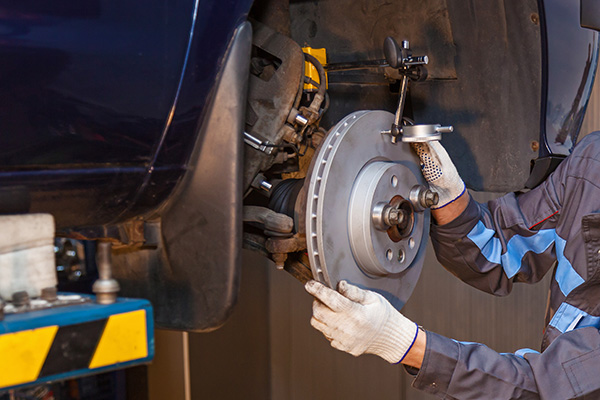
A brake shake gets your attention because it changes the whole feel of the car. You press the pedal, and the steering wheel starts trembling, the seat shakes, or the front end feels unsettled in a way it did not before. Plenty of drivers notice it first at highway speeds, then start feeling it more and more during normal driving. That is usually a sign that the braking system is no longer applying force evenly. Why Brake Shake Usually Starts At The Front Most of your stopping power happens at the front wheels, so that is where brake vibration tends to show up first. When the front rotors develop uneven thickness, heat spots, or pad material builds up unevenly on the surface, the pads stop gripping the rotor the same way on every rotation. Instead of one smooth stop, you get a repeated pulse that travels into the steering wheel and front suspension. Most people call the issue warped rotors, and sometimes that is close enough for everyday conversation. Once you bring ... read more
Posted on 2/27/2026
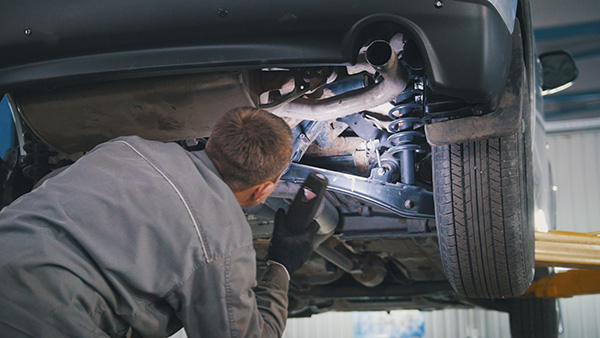
A rattle over small bumps can drive you nuts because it makes the car feel cheaper than it is. The annoying part is that it often happens at low speeds, like parking lots, neighborhood streets, and rough intersections. It might even disappear on the highway, which makes it harder to explain at the shop. Most of the time, a rattle means something has a little extra movement that it should not have. It can be a suspension part, an exhaust shield, or even something loose in the cabin. The sooner you narrow down where it’s coming from, the easier it is to fix before it turns into a bigger issue. Why The Noise Shows Up On Small Bumps Small bumps create quick, sharp suspension movement. That fast up-down motion is perfect for making loose parts tap, especially if the suspension is already a little worn. Bigger bumps can sometimes mask the sound because everything moves together, while small bumps make just one corner chatter. Temperature can change the noise too. R ... read more
Posted on 1/30/2026

A timing belt problem rarely starts with obvious signs. It usually starts with a quiet unknown in the background, especially if you bought the car used, or you cannot remember the last time it was replaced. Then you hear one story about a belt breaking without warning, and suddenly you are wondering if you are driving on borrowed time. The good news is you do not have to wait for a scare. If you know how timing belt intervals work, what factors shorten them, and what to replace while you are in there, you can handle it on your schedule instead of getting forced into it. Timing Belt Vs Serpentine Belt The serpentine belt is the one you can usually see. It runs accessories like the alternator and AC. If it fails, you may lose charging or cooling, but it is generally an external repair. A timing belt is different. It lives behind covers and keeps the crankshaft and camshafts synced. That timing is what lets valves open and close at the right moment. If the belt slips ... read more