Posted on 9/29/2026
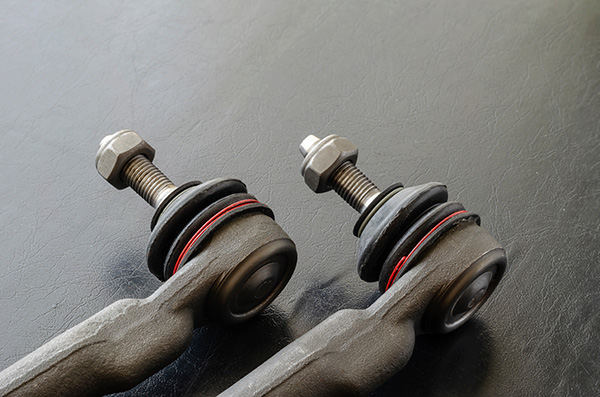
A ball joint doesn't have to make the wheel visibly wobble before it deserves attention. You might first hear a dry creak while parking, notice a torn boot during tire service, or find that steering no longer returns as freely as it once did. Don't dismiss any of those findings just because the joint still feels tight. The question is what tight means in that particular design. A sound joint, a dry joint beginning to bind, and a worn joint held under spring load can feel very different when tested correctly. Waiting for obvious looseness can miss the earlier problem. A Joint Can Become Stiff Before It Becomes Loose A ball joint must pivot while keeping the wheel assembly located. Lubrication and protected bearing surfaces let it do that without binding. When contamination or corrosion affects those surfaces, movement can become rough or stiff even before substantial clearance develops. That condition can produce creaking, popping, or increased resistance as ... read more