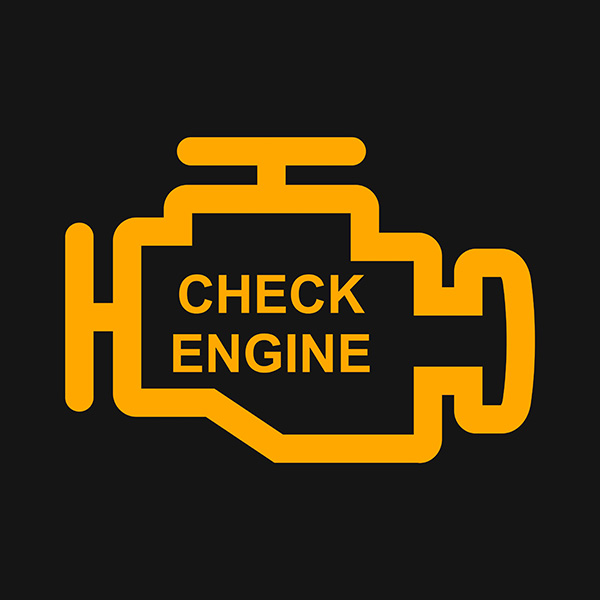
A check engine light has terrible timing. It comes on during a commute, after a fill-up, or right before a weekend plan, and the car does not always act any differently. That is what makes it hard to judge.
The light is not a repair by itself.
It means the vehicle’s computer saw something outside its normal range and stored information about it. Sometimes the cause is simple. Sometimes it is the first clue that an engine, fuel, ignition, or emissions problem needs attention before it gets more expensive.
1. Loose Or Faulty Gas Cap
A loose gas cap sounds almost too simple, but it can turn on the check engine light. The fuel system is sealed, and the vehicle runs self-tests to check for vapor leaks. If the cap is loose, cracked, missing, or not sealing well, the system can detect a leak.
This often happens shortly after fueling. Tightening the cap may help, but the light may not turn off right away. The vehicle needs time to run its test again.
If the light stays on after a few normal drives, the issue may not be the cap. EVAP hoses, valves, seals, or the charcoal canister can also cause vapor leak codes.
2. Worn Spark Plugs Or Bad Ignition Coils
Spark plugs and ignition coils help each cylinder fire correctly. When a plug wears out or a coil gets weak, the engine can misfire. You might feel shaking, hesitation, a rough idle, or a stumble when accelerating.
A flashing check engine light is more serious than a steady one. It often means an active misfire is happening right now. That can send unburned fuel into the exhaust and damage the catalytic converter.
Regular maintenance helps reduce this risk because spark plugs have service intervals for a reason. Waiting until the engine runs badly can turn a simple ignition service into a larger repair.
3. Oxygen Sensor Problems
Oxygen sensors measure what is happening in the exhaust so the computer can adjust the air-fuel mixture. If a sensor gets slow, contaminated, or inaccurate, the engine computer may not get the information it needs.
A bad oxygen sensor can hurt fuel economy, increase emissions, and sometimes cause the vehicle to run rich or lean. The car may still feel normal, which is why drivers often put off this repair.
The sensor is not always the original problem, though. Exhaust leaks, misfires, oil burning, or fuel mixture issues can affect sensor readings. A proper inspection checks why the sensor code appeared before replacing parts.
4. Catalytic Converter Trouble
The catalytic converter helps clean the exhaust before it leaves the tailpipe. If it is not working efficiently, the check engine light can come on with catalyst-related codes. Drivers might also notice weak acceleration, poor fuel economy, rattling under the car, or a sulfur-like smell.
Converters do not always fail on their own. Misfires, oil burning, coolant entering the exhaust, rich fuel mixtures, and ignored engine problems can damage them over time.
That is why this warning deserves careful testing. Replacing a converter without fixing the engine problem that hurt it can lead to the same expensive issue again.
5. Air Or Fuel Mixture Issues
Engines need the right balance of air and fuel. If too much air gets in, the engine can run lean. If too much fuel is added, it can run rich. Either condition can trigger the check engine light.
Vacuum leaks, cracked intake hoses, dirty mass airflow sensors, weak fuel pumps, leaking injectors, and fuel pressure problems can all affect that balance. The symptoms can be subtle: lower fuel economy, rough idle, hesitation, fuel smell, or a car that feels slightly off.
Scan data helps here. Fuel trim numbers show whether the computer is adding or subtracting fuel to keep the engine running. Those numbers often tell a better story than the code alone.
6. Temperature Or Cooling System Faults
A thermostat, coolant temperature sensor, fan issue, or low coolant level can also trigger the check engine light. The engine needs to reach and hold the right operating temperature. If it runs too cool or too hot, fuel economy, emissions, and engine protection can all be affected.
A stuck-open thermostat can keep the engine too cool. A sensor reporting the wrong temperature can cause the computer to choose the wrong fuel strategy. Low coolant or fan trouble can push the engine toward overheating.
If the temperature gauge changes, the heater acts strangely, or you smell coolant after parking, do not ignore it. Cooling system problems can get expensive quickly if heat starts damaging gaskets or metal parts.
Why The Code Is Only The First Clue
A trouble code points to the system that noticed the problem. It does not always name the failed part. A lean code could be a vacuum leak. An exhaust leak could cause an oxygen sensor code. A misfire code could indicate a problem with the spark, fuel, air, or compression.
Good diagnostics connect the code to what the vehicle is actually doing. That can include live data, visual checks, road testing, pressure testing, and hands-on confirmation. Clearing the light without finding the cause only hides the message for a while.
Get Check Engine Light Diagnostics In San Francisco, CA, With Taylormade Automotive
If your check engine light is on, flashing, or keeps coming back after being cleared, Taylormade Automotive in San Francisco, CA, can read the data, perform an inspection, and explain what needs attention.
Schedule a visit and get the cause confirmed before a small warning light turns into a bigger repair.