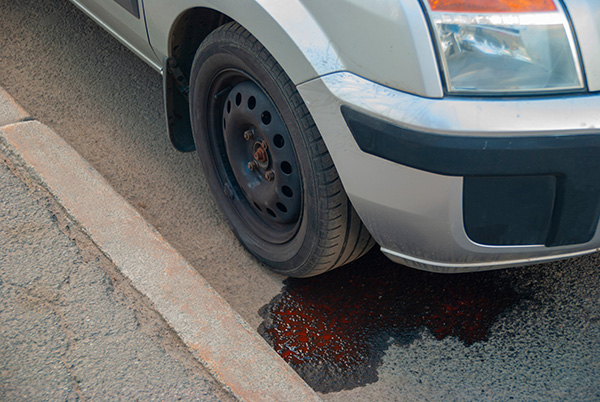
Power steering fluid under the front of the car can be hard to trace because the leak doesn't always drip straight down from the failed part. Fluid can run along the steering rack, subframe, hoses, or splash shields before it finally reaches the ground.
A leaking steering rack is one possible source, especially on hydraulic power steering systems with some age and mileage on them. The important part is finding where the fluid actually starts. A wet rack does not always mean the rack itself is bad.
Internal Rack Seals Can Start Leaking
A hydraulic steering rack has seals that keep pressurized power steering fluid inside the housing while the rack moves back and forth. Those seals deal with heat, pressure, and thousands of steering cycles over the life of the vehicle.
As they harden or wear, fluid can begin seeping past them. At first, you might only see a damp area around one end of the rack. Later, the reservoir may need frequent top-offs or fluid may begin dripping after the vehicle is parked.
One common clue is fluid inside the rubber rack boot. That boot protects the inner tie rod, not to hold hydraulic fluid. If we find power steering fluid trapped inside it, an internal rack seal is high on the list.
A Worn Rack Shaft Can Damage the Seal
Sometimes the seal is only part of the problem. The polished shaft that moves through it can develop corrosion, scoring, or wear. A fresh seal cannot do its job well if the surface passing through it is damaged.
We look closely at this on older vehicles, especially when the leak has been present for a while. Road salt, moisture, torn boots, and simple age can all contribute to corrosion near the rack ends. Once the sealing surface is damaged, replacing the complete rack is generally more dependable than trying to stop the leak with a seal alone.
High Hydraulic Pressure Can Expose a Weak Seal
Power steering fluid is under significant pressure when you turn the wheel, especially during parking maneuvers and other low-speed turns. A seal that holds while the car is sitting can begin leaking once pressure rises.
Holding the steering wheel hard against full lock also raises pressure sharply. Most systems can tolerate brief operation there, but repeatedly holding the wheel against the stop adds unnecessary heat and load to the pump, hoses, and rack seals.
A pressure problem elsewhere in the system can make leakage worse too. That is one reason we check pump operation and hydraulic pressure rather than looking only at the wet area.
Old or Incorrect Fluid Can Hurt the Seals
Power steering fluid does more than create hydraulic assist. It also lubricates the pump and internal steering components while helping protect rubber seals.
Old fluid can collect contamination and lose some of its protective qualities. Using the wrong fluid can be more damaging because steering systems are designed around specific fluid requirements. Some vehicles use dedicated power steering fluid, while others call for a particular type of automatic transmission fluid or another manufacturer-approved specification.
During regular maintenance, it's worth checking fluid level and condition. Dark fluid, a burnt smell, or a reservoir that keeps dropping gives us a reason to look deeper before the steering starts making noise.
A Hose Leak Can Make the Rack Look Guilty
This is where diagnosis gets important. Pressure and return hoses connect directly to the steering rack, and their fittings can leak. Fluid then runs across the rack housing and makes it look as though the rack seals have failed.
The pressure hose can leak at a crimp, fitting, or damaged section of line. Return hoses operate at lower pressure but can still seep from aging rubber or loose connections. During an inspection, we clean the wet area when needed and follow the fresh fluid back to its highest point. That usually tells a much clearer story than replacing the wettest-looking part.
What Happens If You Keep Driving With the Leak?
A small seep does not always change the steering feel right away. The real trouble begins when enough fluid escapes for the reservoir to run low. The pump can start pulling in air, which may produce whining or groaning as you turn.
Low fluid also reduces lubrication inside the system. Keep driving that way and a rack leak can eventually contribute to pump damage, harder steering, or aerated fluid. If steering effort suddenly increases or the reservoir empties quickly, the vehicle needs attention before you continue driving normally.
Get Power Steering Rack Leak Repair In San Francisco, CA, With Taylormade Automotive
If your power steering fluid keeps dropping or you see wetness around the steering rack, Taylormade Automotive in San Francisco, CA, can trace the leak and determine whether it is coming from the rack, a hose, a fitting, or another hydraulic component.
Schedule a visit before a manageable fluid leak leaves the steering pump running low.